


When you’ve been injured on the job, your priority is resting and recovering, so you can get back to work as soon as possible. But it may take you a long time to heal and, in some cases, you may never make a full recovery. But once your condition is stable, you’ve reached maximum medical improvement, and this determination plays a critical role in your workers’ compensation claim.
What Is Maximum Medical Improvement?
Maximum medical improvement (MMI) is when you’ve healed as much as possible from your workplace injury. It’s when a medical professional has determined your condition is stable and unlikely to improve even with additional medical treatment. Washington State’s Department of Labor and Industries (L&I) calls this “medical fixity” because your condition is fixed and stable.
To be clear, you can reach maximum medical improvement even when you haven’t completely recovered. Depending on the nature and extent of your work injury, you can reach MMI and return to work without additional medical treatment. Likewise, you may be unable to work and may be eligible to claim additional, permanent full-time workers’ compensation benefits.
Who Determines Maximum Medical Improvement?
In Washington, maximum medical improvement is determined primarily by the attending provider (AP) on the claim. Labor and Industries or a self-insured employer can also require an independent medical examination (IME) to decide whether a worker has reached MMI. Washington allows anyone receiving workers’ compensation to choose their treating physician, provided they are a part of L&I’s network. Your attending provider (the doctor you choose) can make the call that you have or haven’t reached maximum medical improvement.
However, in some cases, L&I may ask you to complete an independent medical examination. This could happen when your case manager wants:
- More information or clarification about your condition
- To evaluate the specifics of your situation (like the extent of your work-related injury or the type of treatment your doctor has recommended)
- To determine if you’ve reached MMI
Injured workers cannot request an IME unless they’ve asked to close their workers’ comp case or there’s a dispute over workers’ comp benefits. However, L&I can request you participate in an IME at any time to determine if you’ve reached MMI even when your treating physician hasn’t declared it.
No matter why your L&I claims manager requests an IME, injured workers cannot refuse one without a valid reason. Doing so may result in suspension of their workers’ comp benefits.
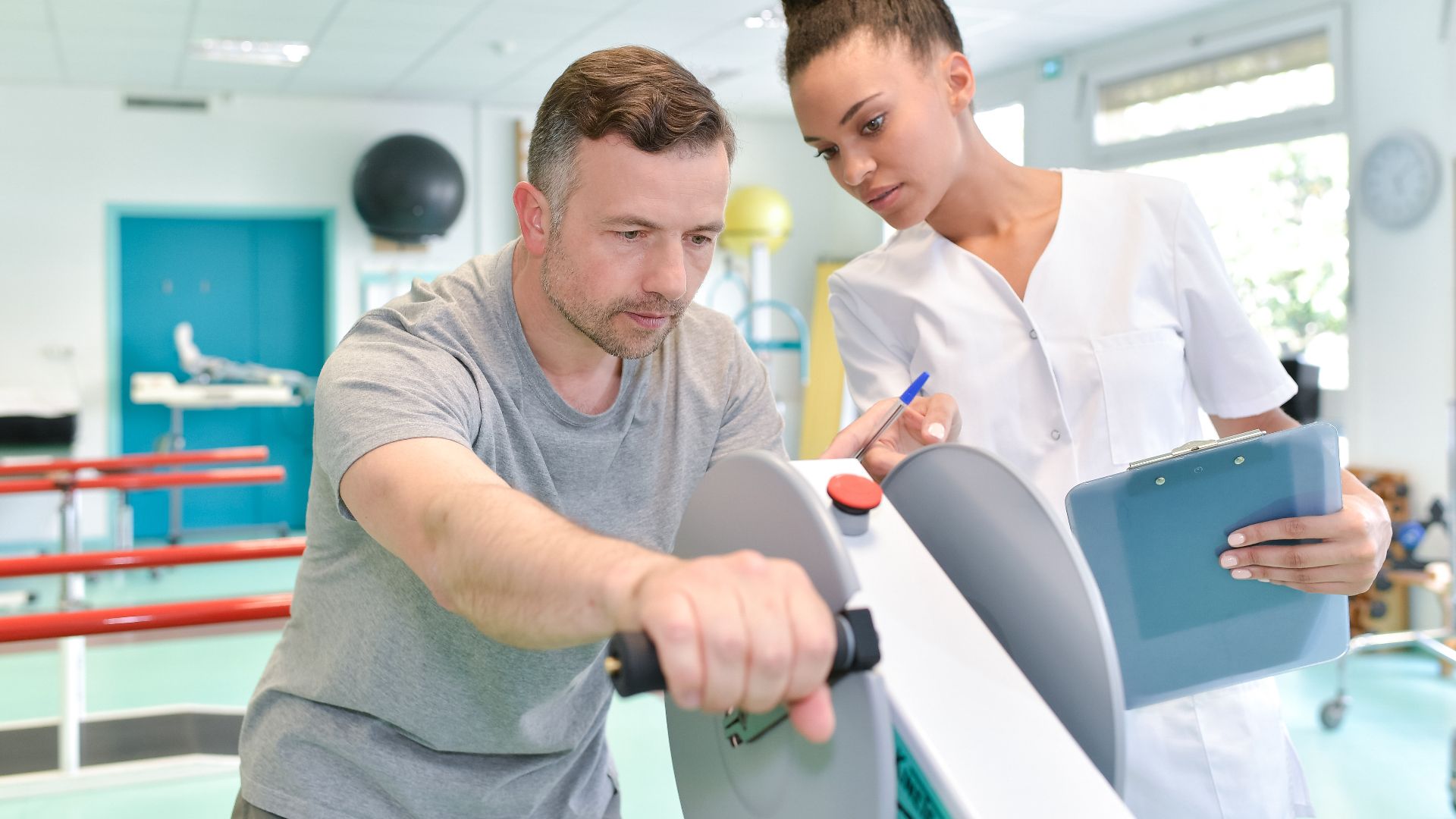
How Does a Functional Capacity Evaluation Impact a Workers’ Compensation Claim?
Labor and Industries may also ask you to participate in a functional capacity evaluation (FCE). An FCE is a series of tests that measure your ability to perform the physical aspects of your job, like pushing, pulling, or lifting.
Your L&I case manager may request that you complete an FCE when you’ve reached maximum medical improvement (or are close to it) but aren’t permanently disabled. It’s used to assess whether you can safely work in your old role and if you need restrictions or accommodations to return to work. However, your doctor may request an FCE when they aren’t certain of your physical limitations or when you may have a permanent disability or restriction that limits your ability to return to work.
How Maximum Medical Improvement Impacts Your Workers’ Compensation Claim
Once maximum medical improvement occurs, your condition is stable, so ongoing medical care shifts from rehabilitative care (recovering from your workplace injury) to maintenance (helping you live with any permanent impairments). At this point, your workers’ comp claim shifts from temporary — helping you bridge the gap while you’re receiving medical treatment and can’t work — to determining your eligibility for permanent and long-term workers’ compensation benefits.
Depending on the nature and extent of your injuries, you may be eligible for:
- Permanent partial disability (PPD) benefits: Compensation for a permanent disability that makes it difficult, but not impossible, to work.
- Permanent total disability benefits: Permanent disability benefits are similar to a pension if you’re permanently disabled and are unable to return to gainful employment.
- Vocational training (vocational rehabilitation services): When you can’t go back to your old career but can still work, you may qualify for vocational retraining to help you return to the workforce.
What If You Disagree With Your Maximum Medical Improvement Status?
When a doctor declares you’ve reached maximum medical improvement, you may not agree. But what you do next depends on which medical provider made the MMI determination.
If your attending physician made the MMI determination, ask them how and why they came to that conclusion. You may change your mind and agree that additional treatments or medical care won’t improve your situation. However, if you still disagree with the determination and think you’ll benefit from additional medical services, notify your L&I claims manager, who will take the next steps. You’ll likely need to submit additional medical evidence to support your claim to further medical treatment and may need to undergo an IME.
If an IME doctor determines you’ve reached MMI, you have the right to dispute that determination. In this case, you’ll appeal to L&I or through the Board of Industrial Appeals (BIIA).
What If You Need Further Medical Treatment After You Reach Maximum Medical Improvement?
Reaching maximum medical improvement means your work injury is stable and won’t improve with additional medical care. However, that doesn’t mean your condition won’t worsen. If your condition deteriorates, you can reopen your workers’ compensation case.
If you’re only asking for additional medical treatment, you can apply to reopen your workers’ compensation claim at any time. But, if you’re asking for additional workers’ comp benefits, like lost wages in addition to your medical bills, you must apply to reopen your claim no more than seven years after your workers’ compensation case was closed.
To reopen your workers’ comp claim, you’ll need to provide your medical records that prove your work injury is worse and requires additional medical care. You may use your original doctor to gather this evidence or see a new doctor in L&I’s network.
Walthew Law Firm Can Help
Maximum medical improvement means you’ve healed from your work injury as much as possible, and your claim is moving to a new phase. At this point, you’ll start negotiating your workers’ compensation settlement. Depending on the severity of your injury, you may need compensation to cover ongoing care, like physical therapy, or wage loss if you’re unable to work.
Negotiating with L&I, insurance companies, or your employer can be complex and challenging. Trying to gather the evidence you need and manage all the details could derail your recovery. Instead of handling things yourself, hire the experienced workers’ compensation lawyers at Walthew Law Firm. For over 90 years, we’ve been helping injured workers, protecting their rights, and fighting on their behalf to ensure they receive the fair compensation they’re entitled to.
If you’re facing an IME, disagree with a doctor about your MMI status, or need any kind of help with your workers’ comp claim, contact us today and schedule your free case consultation. There’s no obligation and no fee unless you win.